Structural Drying & Dehumidification
Structural Drying and Dehumidification Summerville SC
Structural Drying and Dehumidification Summerville SC helps homeowners and businesses dry wet building materials after plumbing leaks, roof leaks, or flooding. Our team measures moisture inside walls, floors, and crawl spaces, then positions air movers and dehumidifiers to remove it in a controlled way. If you have wet drywall, a musty odor, or water still trapped after extraction, call Summerville Mold Shield for water damage drying Summerville SC before moisture spreads.
Service overview
Structural Drying and Dehumidification Summerville SC
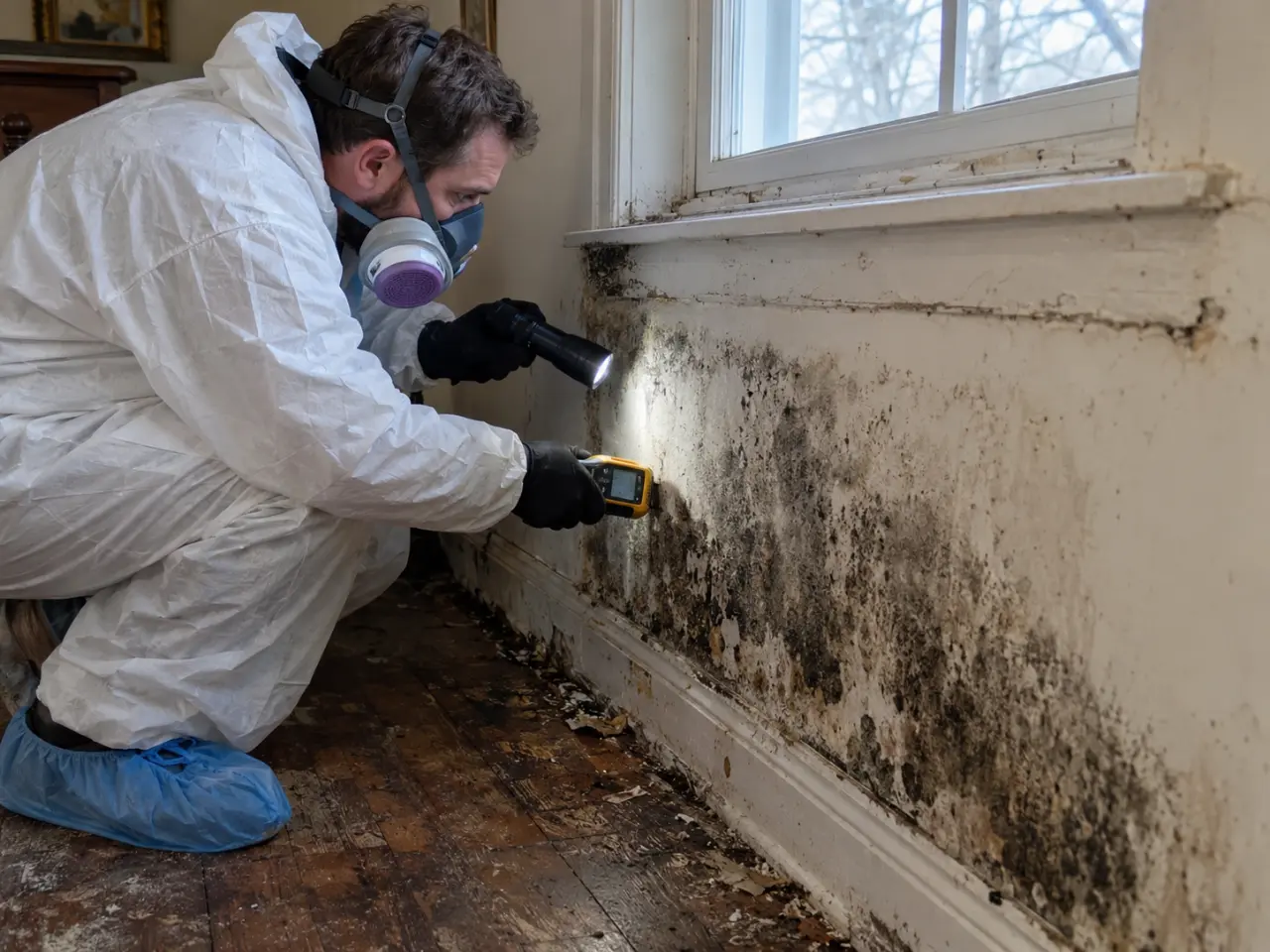
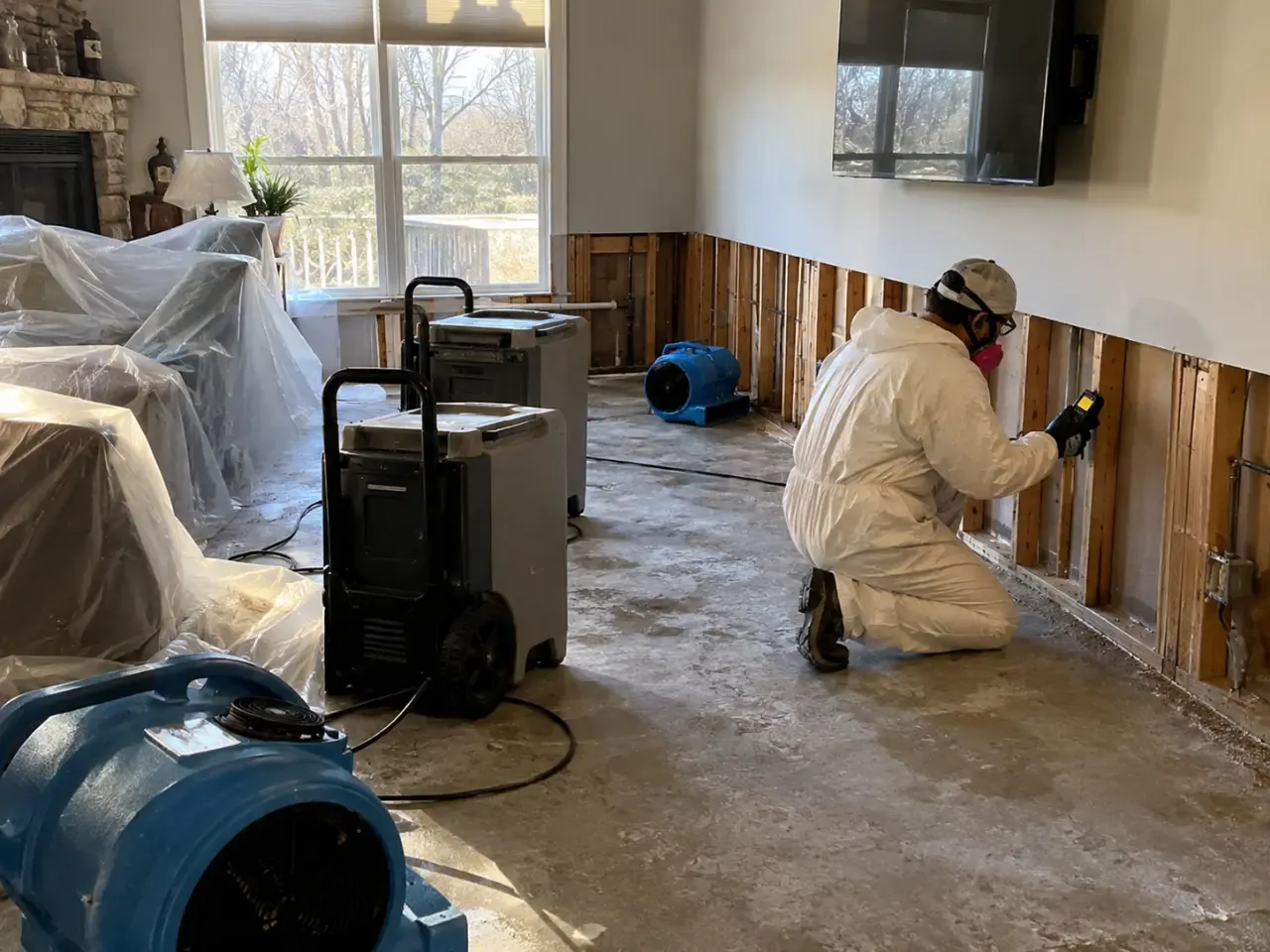
Structural Drying and Dehumidification Summerville SC is a water damage restoration service that removes hidden moisture from building materials after a leak or flood. We first identify affected areas, then use moisture readings to guide air movement and dehumidification. A pin-type and pinless moisture meter checks surfaces and deeper material, while a thermal imaging camera helps locate temperature patterns that warrant closer inspection. We track readings through the job instead of relying on dry-looking surfaces. That matters because wood framing, drywall, and insulation can stay wet after visible water is gone.
Summerville homes face moisture from plumbing leaks, roof and flashing leaks, storm flooding, and crawl space moisture, with high humidity slowing evaporation after water is removed. We open up drying paths only where needed and protect unaffected rooms with containment sheeting when the work calls for it. Our dehumidification services in Summerville, South Carolina address the source conditions as well as wet materials. If you are asking how long does structural drying take after a leak in Summerville, the answer depends on material, water volume, and verified moisture readings.
Practical benefits
Drying That Protects Your Property
Proper drying reduces the chance that a small leak turns into damaged finishes, lingering odors, or microbial growth. We focus on measurable progress, not simply running fans until the room feels cooler. You get clear checkpoints, sensible equipment placement, and a plan tied to the materials that got wet.
Find Moisture You Cannot See
Water can move behind baseboards and into wall cavities without leaving a large surface puddle. We use a borescope inspection camera when an opening is needed to inspect concealed spaces, then compare readings across affected and unaffected materials. That helps us target equipment rather than drying the entire house unnecessarily.
Reduce Mold-Friendly Conditions
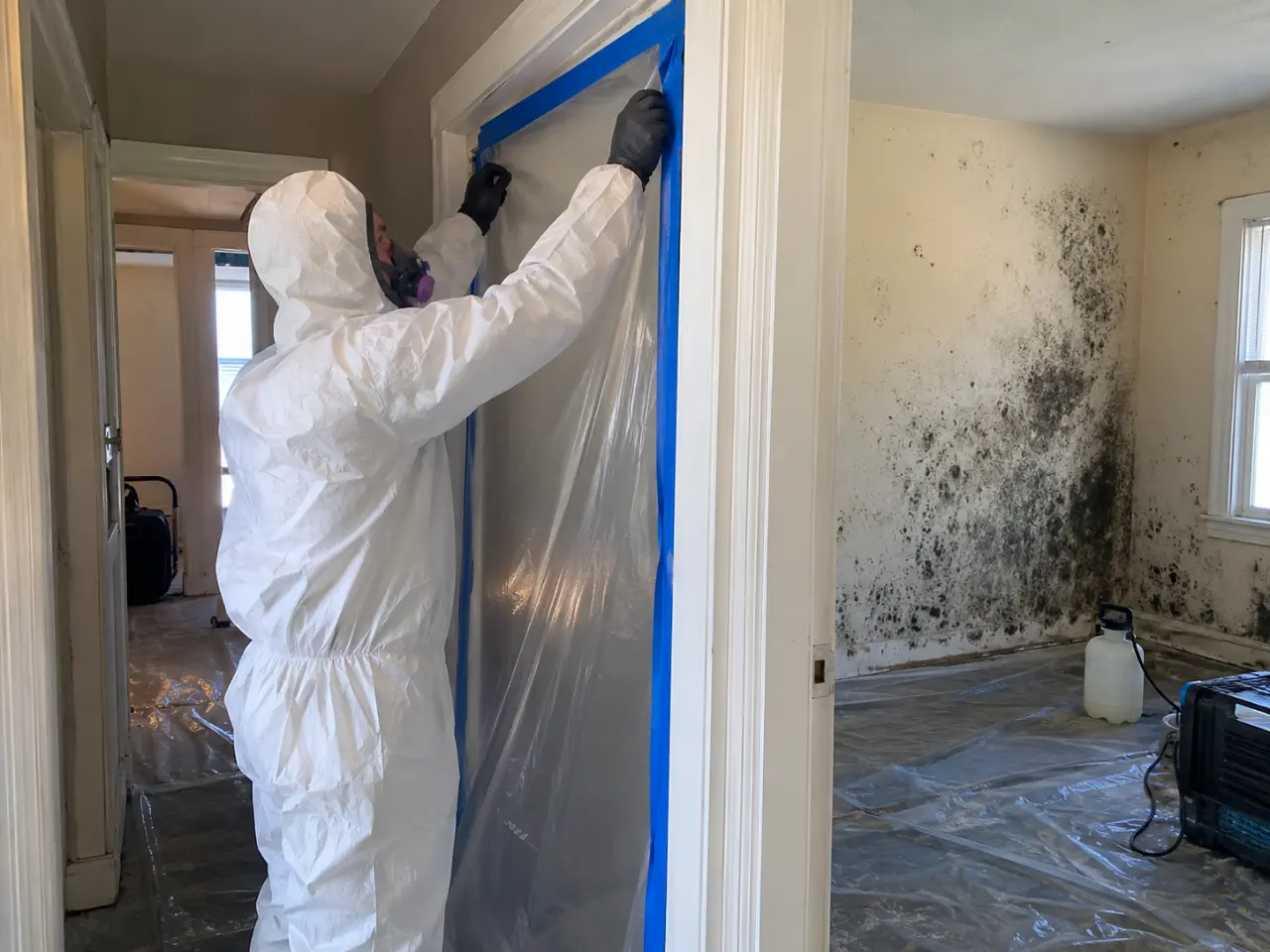
Wet materials and warm indoor air create conditions that support black mold growth. We remove standing water, lower humidity, and monitor the drying area instead of masking musty odors. Drying does not replace mold remediation where growth is present, but it addresses the moisture that allows a problem to continue.
Protect Floors and Finishes
Carpet and padding, wood trim, and drywall respond differently to water. We adjust airflow and equipment to the materials involved, checking readings at least once daily while equipment is operating. Early, targeted drying can help preserve finishes that would otherwise need removal and replacement.
Know When Drying Is Complete
A dry surface is not proof that a wall or subfloor is dry. We document moisture readings and compare them with unaffected materials before removing equipment. You get a practical closeout explanation of what was dried, what readings changed, and whether any repair work remains.
How service works
What To Expect During Drying
Structural drying in Summerville starts with a site check and continues through monitored drying and equipment removal. We explain what each machine is doing, keep access paths clear where possible, and revisit readings as the materials respond. Most customers notice steady changes over several days, not an instant fix.
STEP 01
Inspect and Map
On the first visit, we ask where water appeared and when it started, then inspect floors, walls, ceilings, and nearby rooms. We record moisture readings and mark the affected footprint so you can see the areas that need attention. A hygrometer records ambient humidity; inspection findings guide the drying plan and equipment placement.
Tools and methods
Drying Tools And Methods
Thermal imaging camera
We use thermal patterns to spot areas that may be cooler from evaporation or moisture. The image guides closer inspection; it does not replace direct moisture readings.
Pin-type and pinless moisture meter
Pinless readings help scan broad surfaces quickly, while pin readings check material moisture at specific points. Together, they help us map wet areas and verify progress.
Commercial LGR dehumidifier
A commercial LGR dehumidifier removes moisture from air during active drying. We select capacity based on the affected volume and adjust placement as readings change.
Air mover
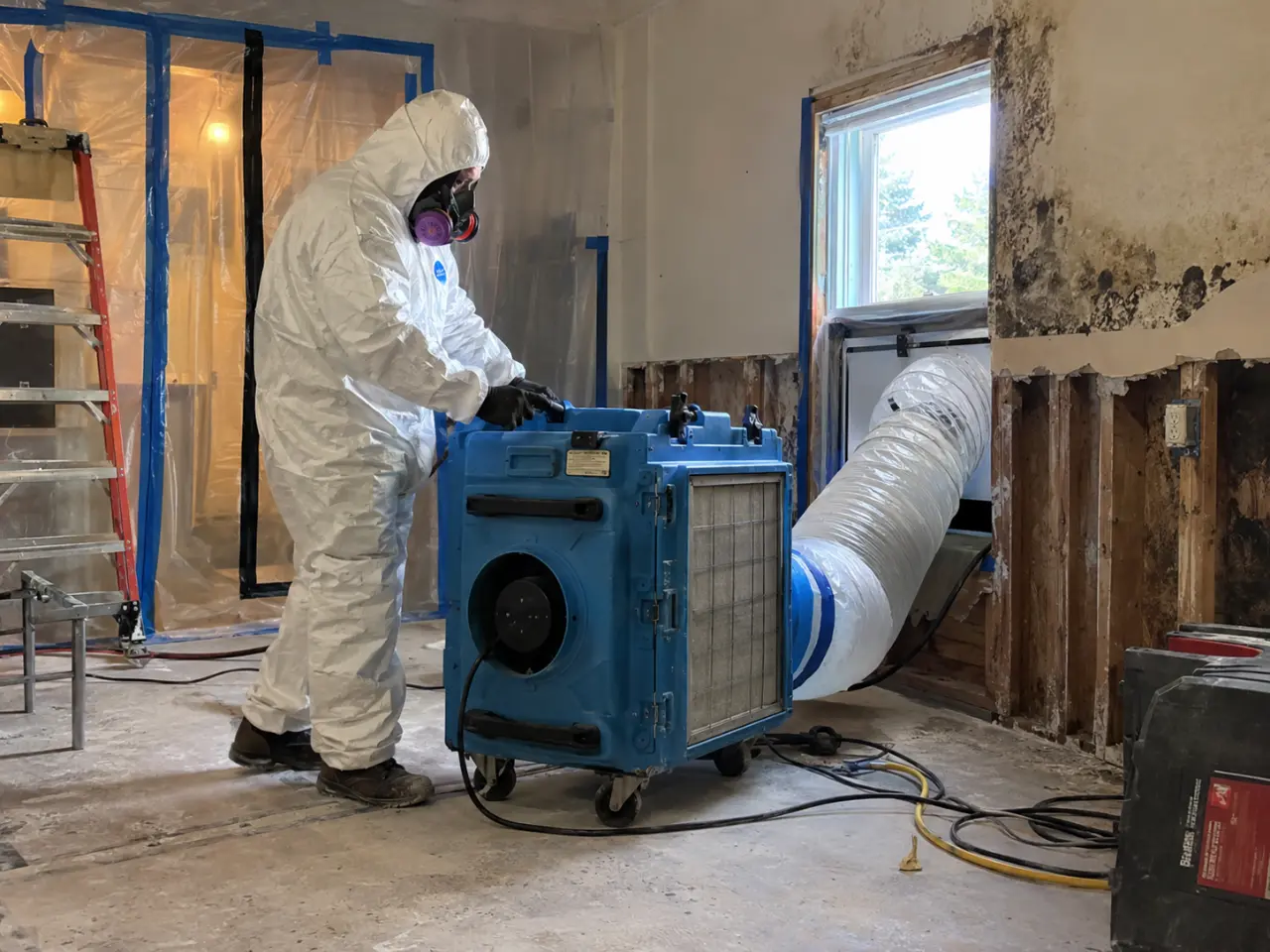
Air movers direct circulation across wet surfaces and exposed framing, supporting evaporation. We position them to reach the affected materials without directing airflow into unrelated areas.
Borescope inspection camera
A borescope inspection camera can help view concealed spaces through an appropriate opening. It gives us information about cavities without removing a large section of finished material.
Moisture mapping and daily monitoring
We record initial readings at affected locations and compare them with dry reference points. During active drying, we revisit those locations at least every 24 hours, adjust equipment when readings stall, and document when materials meet the drying target.
IICRC applied structural drying principles
IICRC ASD principles guide the relationship between airflow, temperature, and humidity during restoration. We use readings to decide where air movers and dehumidifiers belong, then modify the setup as the structure dries rather than relying on a fixed equipment layout.
Controlled access and containment
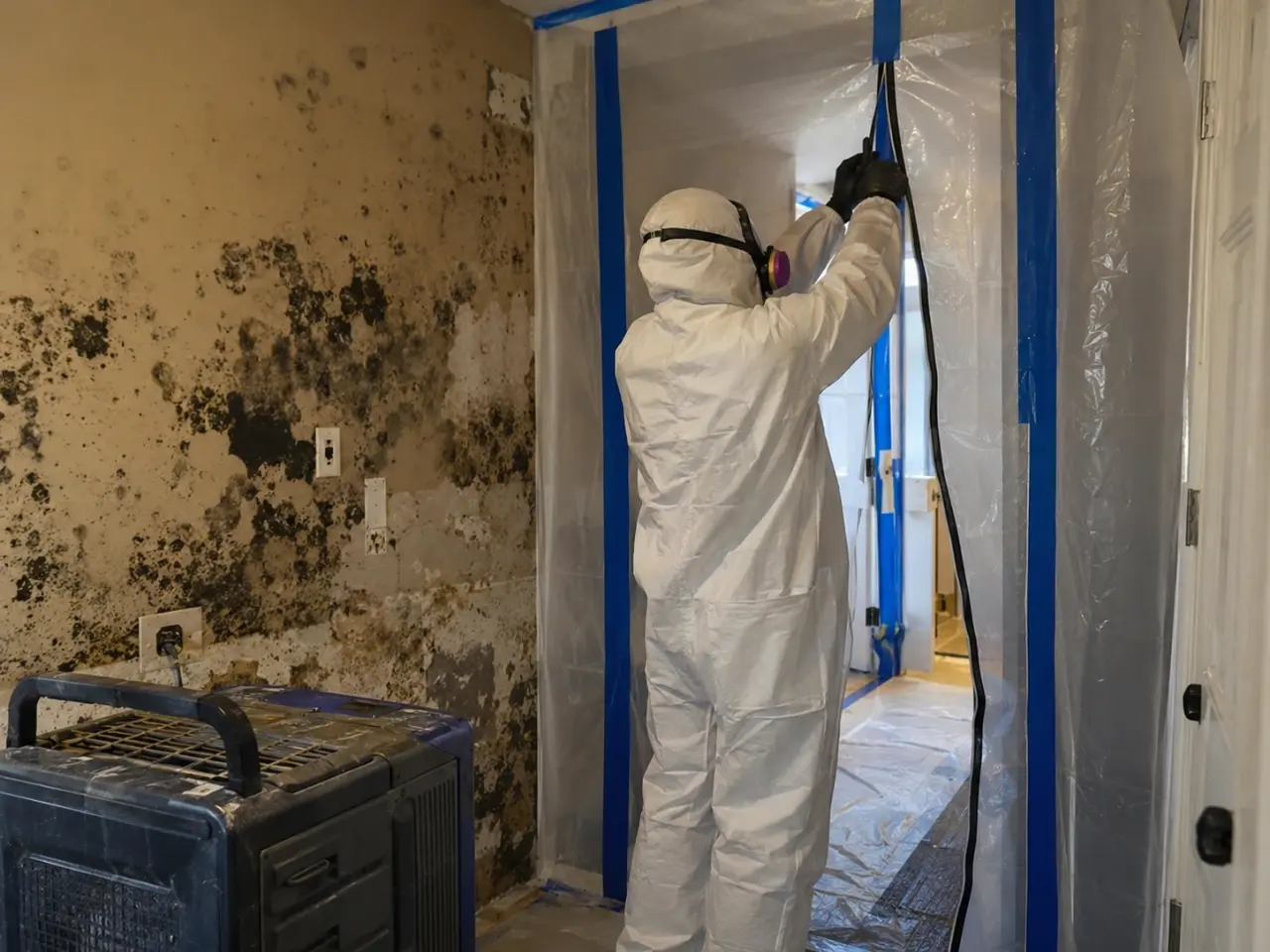
When removal or inspection creates dust, we protect adjacent areas with containment sheeting and manage airflow around the work zone. The setup depends on the work being performed and is coordinated with filtration where appropriate, keeping the drying area distinct from occupied spaces.
Where this service fits
When To Call For Drying
A water heater lets go overnight and water reaches hallway flooring before you wake.
We extract pooled water, check the hallway and adjoining rooms, and look for moisture below baseboards and at floor edges. Air movers and dehumidification begin after the water source is controlled. We return to monitor readings and identify whether flooring can stay in place. You get a drying plan based on measured moisture, with affected materials identified before repair work starts.
A roof leak during a fall storm wets an upstairs ceiling and the room below.
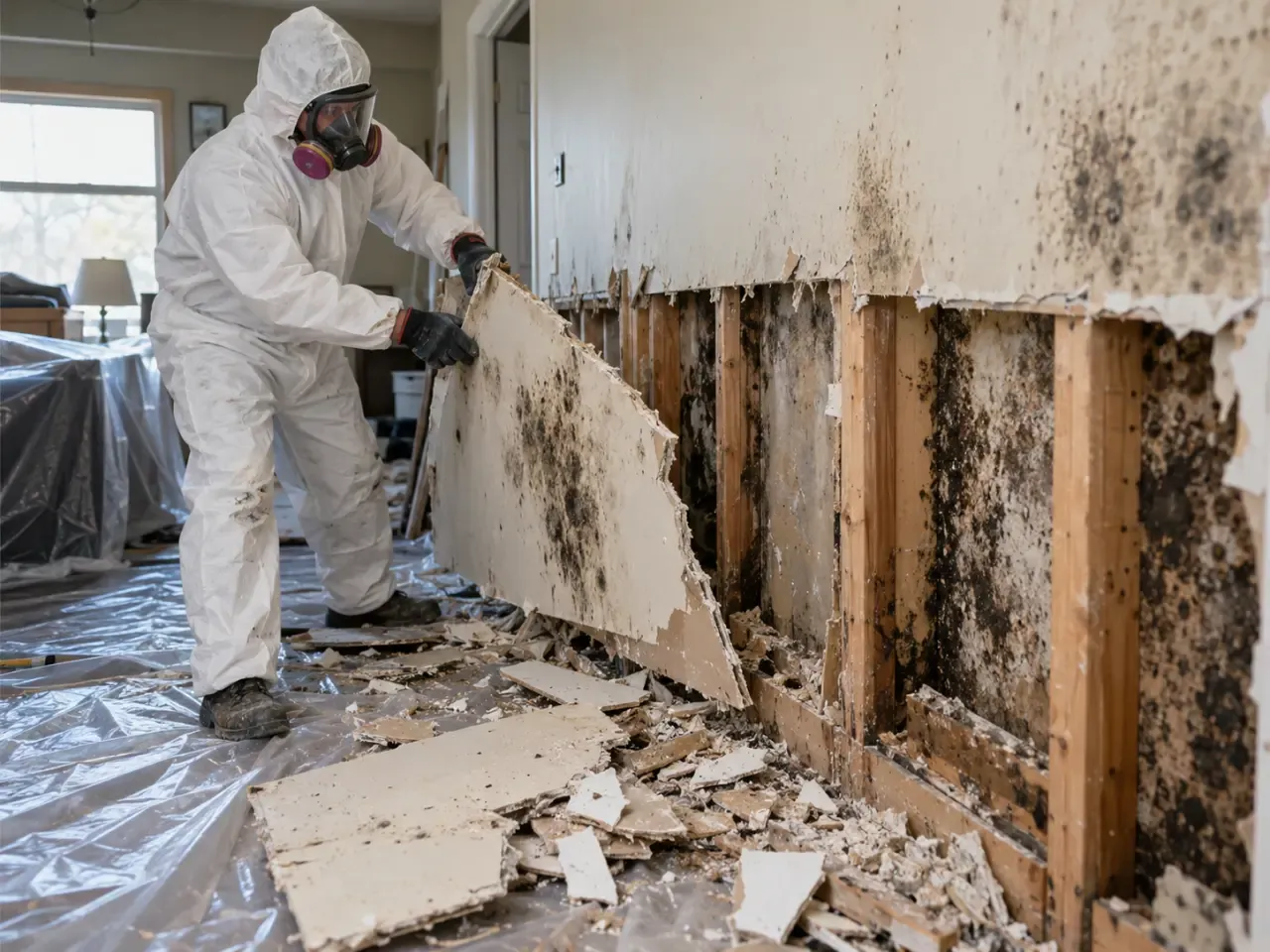
We inspect the ceiling, nearby walls, and attic-side materials where access allows. Wet ceiling tiles or drywall may need removal to expose trapped moisture. After the leak is stopped, we dry and monitor the remaining structure before repairs close the ceiling. The hidden area gets checked instead of being covered while damp, reducing the chance of recurring stains or odors.
A slab leak leaves a warm, damp patch on flooring with no obvious puddle.
We use moisture mapping to determine how far the dampness has spread and inspect nearby walls and trim. Once the leak is repaired, we set equipment appropriate to the affected floor assembly and check readings through the drying period. You learn whether moisture is limited to one area or has traveled beneath adjacent finishes before deciding on repairs.
A crawl space smells musty after several humid days, even without visible standing water.
We examine the crawl space for damp framing, condensation, and ground moisture, then measure humidity and material conditions. If active drying is needed, we use suitable equipment and discuss longer-term moisture control after the immediate issue is addressed. You get a clearer source diagnosis and a practical path to lower moisture under the home.
Local execution
How Drying Works In Summerville
Summerville's humid conditions can slow evaporation, particularly after fall storms and through the damp winter months. In spring and summer, heavy rain and high outdoor humidity also affect how quickly a wet structure releases moisture. We control indoor humidity while directing airflow at the materials that need to dry, rather than relying on open windows. Homes across Summerville include crawl spaces, slab-on-grade construction, finished ceilings, and varied flooring assemblies; each calls for a different inspection path. Our dehumidification services in Summerville, South Carolina account for those differences and for moisture traveling beyond the room where a leak began. We also see roof and flashing leaks, HVAC condensate, plumbing failures, and storm flooding. When you ask about emergency water damage drying near me Summerville SC, tell us whether water is still entering, what rooms are wet, and when the loss started. That helps our team prioritize extraction, safety, and moisture mapping. For code-sensitive repairs or regulated materials, we coordinate the drying plan with the appropriate licensed trade and follow applicable safety requirements.
Nexton
For a leak in a finished room, we check adjoining flooring and wall edges because water can travel beyond the visible wet spot.
Cane Bay Plantation
When storm water or plumbing leaks affect multiple rooms, we map each area separately so equipment is placed where readings show moisture.
Sangaree
Crawl space and under-floor moisture can contribute to indoor odors, so we inspect below the living area when the symptoms point there.
Wescott Plantation
After a ceiling leak, we check the room above and nearby wall cavities before recommending that finished surfaces be closed.
High outdoor humidity slows evaporation from wet interiors.
We use dehumidification to remove moisture from indoor air and check material readings as the job progresses. Opening windows can add humid air rather than speed drying, so equipment and monitoring guide the decision.
Storm and hurricane flooding can affect several materials at once.
Water may reach flooring, baseboards, wall cavities, and insulation across multiple rooms. We prioritize extraction and map each zone, then decide what can be dried in place and what needs removal.
Crawl space moisture can persist after surface water disappears.
Damp framing and humid air below a home can continue contributing to odors. We check conditions beneath the floor and distinguish a short-term drying need from longer-term humidity control.
Problems we solve
Problems Solved By Faster Drying
Water does not stay where it first appears. It moves through flooring, drywall, framing, and insulation, while humid air slows evaporation. If you need emergency water extraction and drying Summerville SC, we focus first on stopping the source, removing water, and drying the materials that can be saved.
A plumbing leak leaves wet drywall behind kitchen cabinets.
We trace the wet area with moisture readings and inspect behind finishes when needed. After extraction, we direct airflow into the affected assembly and run dehumidification to lower indoor moisture. If drywall must be opened, we explain the reason and coordinate drying before repairs cover the area. Moisture can remain trapped between the cabinet and wall, damaging finishes and creating conditions for odor or mold even after the visible leak is fixed.
Roof or flashing leaks soak ceiling tiles and attic insulation.
We map the ceiling and adjoining wall, check for concealed moisture, and remove material that cannot be dried safely. Air movers and dehumidifiers target the remaining structure after the roof source is addressed. We verify readings before discussing replacement of ceiling finishes. Wet ceiling materials can sag or stain, while damp insulation and framing remain hidden above the finished ceiling. Repeated rain can add moisture before the first leak has dried.
Crawl space moisture leaves persistent musty odors indoors.
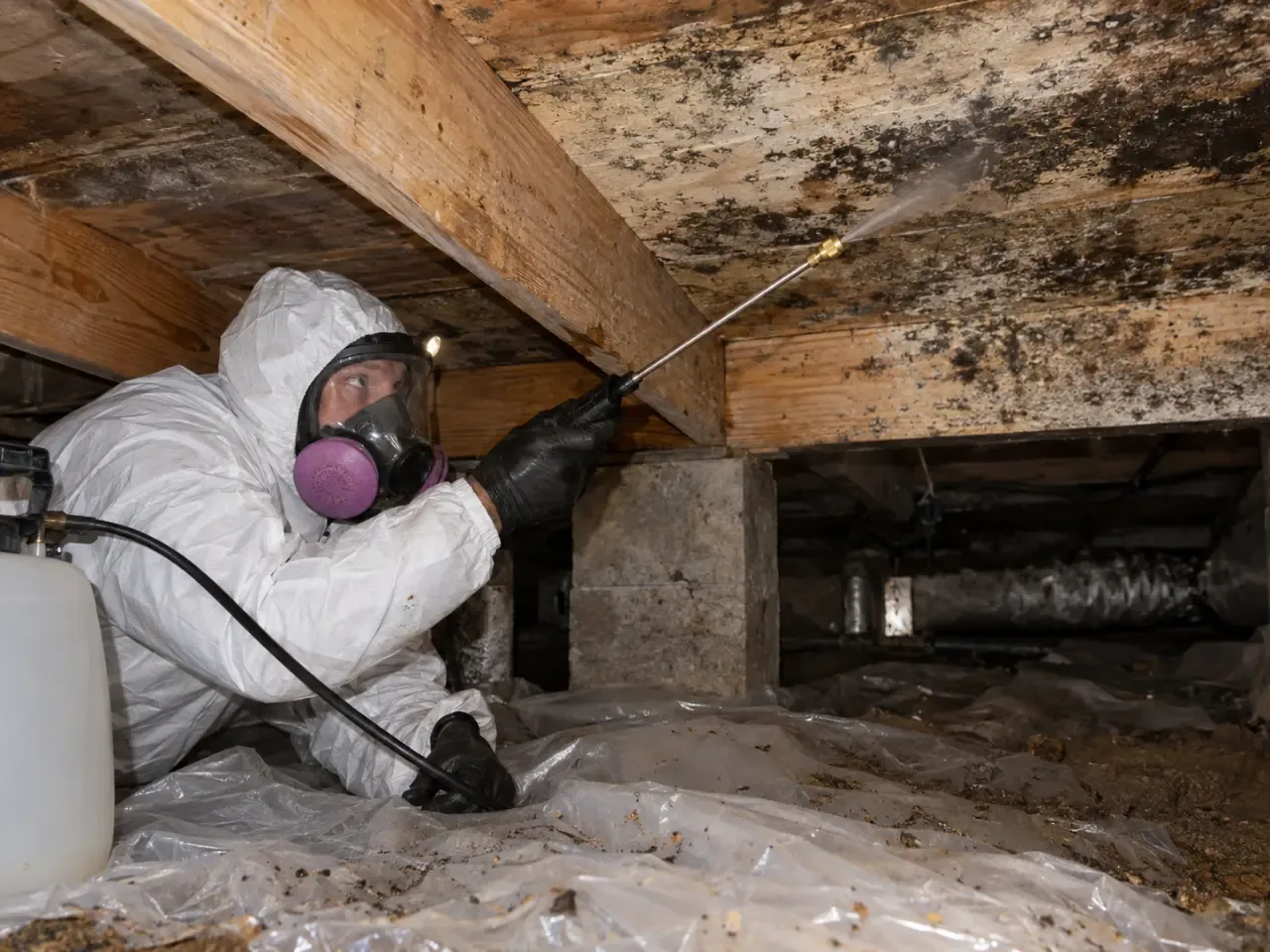
We inspect crawl space conditions, check framing and insulation, and identify whether active water or elevated humidity is driving the problem. Drying equipment can reduce moisture during restoration; longer-term measures may include crawl space dehumidifier installation Summerville and a properly maintained vapor barrier. Damp ground and humid air can affect wood framing and contribute to odors that migrate into living areas. A surface cleanup does not correct continuing moisture under the home.
Storm flooding wets flooring and baseboards across several rooms.
We remove standing water, document affected rooms, and separate salvageable materials from those that need removal. We place equipment for each zone and monitor progress daily. If the loss is extensive, we can discuss 24/7 water extraction and drying Summerville based on the emergency conditions. Water can wick into wall bottoms and under flooring, extending damage beyond the visible waterline. Delayed extraction increases the drying workload and the likelihood of material removal.
A practical standard for every visit.
Clear planningPrepared arrivalsCareful workLocal follow-through
Experience in the details
Training Behind The Drying Plan
Summerville Mold Shield has served local property owners for 8 years, since 2018, handling moisture problems that range from a single supply-line leak to storm-related water intrusion. Our technicians use established water-restoration practices and understand the difference between surface drying and structural drying. IICRC WRT training covers water restoration principles, while IICRC ASD focuses on applied structural drying. We follow safe work practices, document moisture changes, and coordinate drying with mold assessment or repairs when the condition calls for more than equipment.
- IICRC WRT training supports sound decisions on water categories, affected materials, and restoration steps.
- IICRC ASD principles guide airflow, humidity control, and daily drying adjustments.
- Moisture readings are recorded at affected locations and compared against dry reference materials.
- Technicians check crawl spaces, wall cavities, and subfloors when visible surfaces do not explain the readings.
- We coordinate drying with inspection and repair work so you are not left with unresolved wet materials.
Where we work
One local team. A lot of ground covered.
NextonCane Bay PlantationSangareeWescott PlantationWhite GablesLegend Oaks PlantationLakes of SummervilleAshborough
Check my address Most structural drying jobs take 3 to 5 days, while extensive water intrusion can take a week or longer. The timeline depends on how much water entered, which materials are wet, indoor humidity, and whether concealed spaces need opening. We check moisture readings at least every 24 hours and adjust equipment as conditions change. We remove equipment when readings support completion, not on a fixed calendar schedule.
Structural drying commonly costs $500 to $3,500 for residential losses, depending on the affected area and equipment time. Typical 2026 pricing in Summerville changes with water volume, number of rooms, material removal, and monitoring visits. We explain upfront pricing before work proceeds. A small contained leak costs less than a multi-room loss with wet insulation or subflooring.
Yes, a dehumidifier is often needed after water damage because wet materials release moisture into indoor air. Air movers alone can spread that moisture without removing it. We measure humidity and material moisture, then size equipment to the affected area. A dehumidifier rental after a plumbing leak Summerville SC may seem simple, but professional monitoring helps confirm whether the wall, floor, or crawl space is actually dry.
Yes, mold can begin developing on damp materials within 24 to 48 hours under favorable conditions. The risk rises when warm, humid air and wet drywall, wood, or carpet remain together. We act quickly to extract water and control humidity, then monitor the structure. If visible growth or a persistent musty odor is present, we assess whether separate remediation is needed.
Keep exploring
Related Services
Your next step is waiting
Call For Structural Drying In Summerville
Wet drywall, a soaked floor, or a musty crawl space needs measured drying before damage spreads. Call Summerville Mold Shield at (843) 892-8834 to discuss the water source and affected areas. Our technicians follow IICRC drying practices.
Start with the basics
Contact Our Summerville Team
Call Summerville Mold Shield at (843) 892-8834 to discuss visible mold, a leak, or a damp crawl space. We take calls for urgent moisture problems and arrange service during our business hours, Monday through Friday, 8 a.m. to 6 p.m. Tell us what happened and which rooms are affected so we can help you plan the next step.