Black Mold Removal
Black Mold Removal Summerville SC for Safer Homes
Black Mold Removal Summerville SC gives homeowners and property managers a controlled way to address visible or hidden growth after leaks, flooding, or persistent humidity. We inspect the affected area, isolate work zones, remove contaminated materials when needed, and dry the structure before repairs. If you have musty odors, dark staining, or water-damaged drywall, our team can explain the next practical step and help protect unaffected rooms.
Service overview
Black Mold Removal Summerville SC Explained
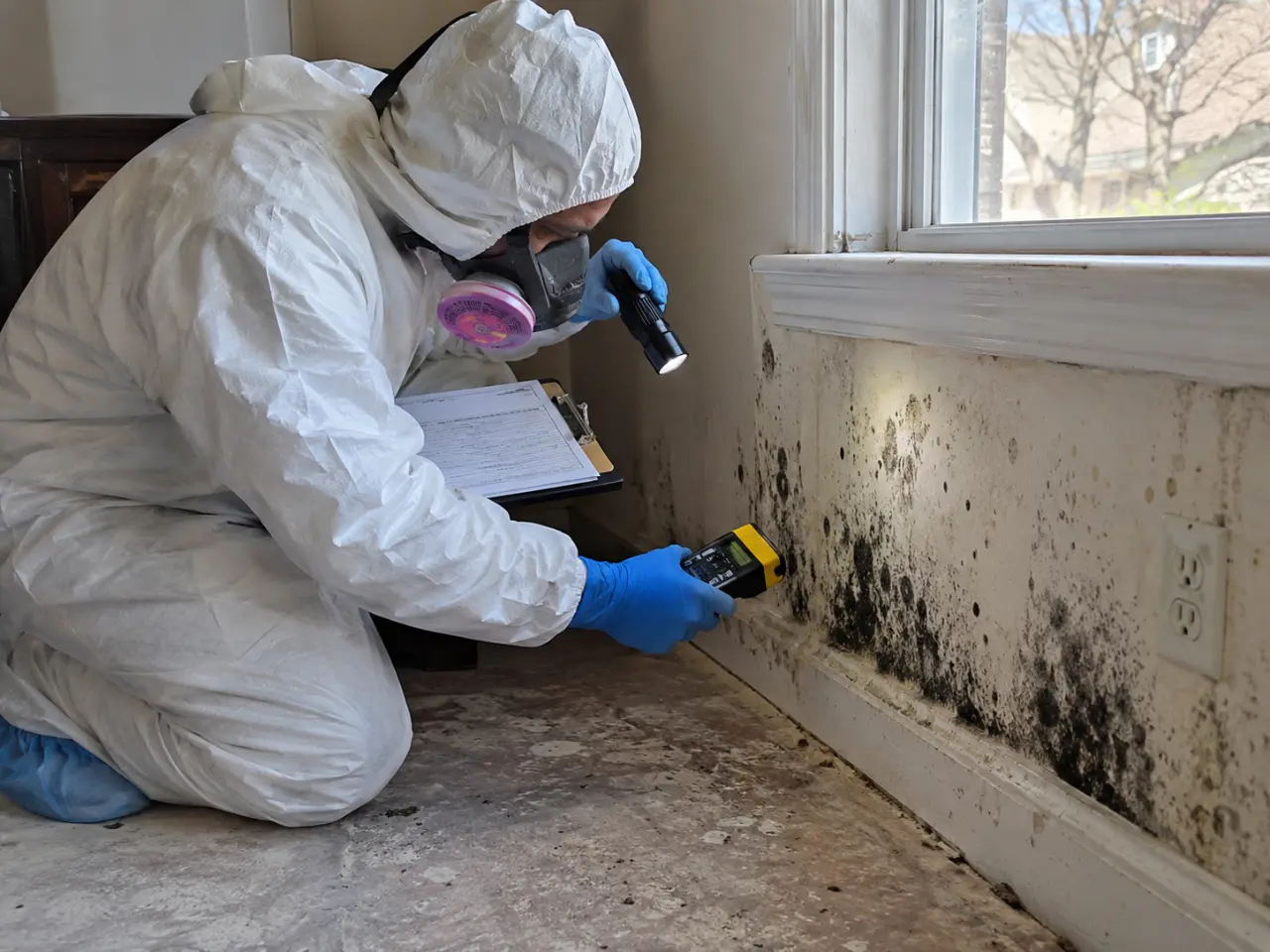
Black Mold Removal Summerville SC is a professional remediation service that isolates and removes mold-affected materials, controls airborne dust, and corrects the moisture conditions that support growth. We start by tracing water intrusion and checking surfaces and cavities rather than treating a stain as the whole problem. A thermal imaging camera helps locate temperature patterns that warrant closer inspection, while a pin-type and pinless moisture meter checks building materials. After removal, we dry and clean the work area, then prepare sound surfaces for repair.
Summerville's warm, humid periods, heavy rain, plumbing leaks, and damp crawl spaces can keep wall cavities and bathrooms wet long enough for black mold growth to spread. Our black mold remediation in Summerville, South Carolina addresses the source as well as the visible damage, whether it began beneath a sink or behind a shower wall. If you are searching for black mold under the sink removal Summerville, we inspect the cabinet, plumbing connections, adjoining drywall, and floor before deciding what can be cleaned and what needs removal.
Practical benefits
A Cleaner, Drier Property
Black mold removal should leave you with more than a covered stain. We focus on the affected materials, the route that brought in moisture, and a controlled cleanup that limits disruption to the rest of your home. You will know what we found, what we removed, and what needs repair.
Containment That Limits Spread
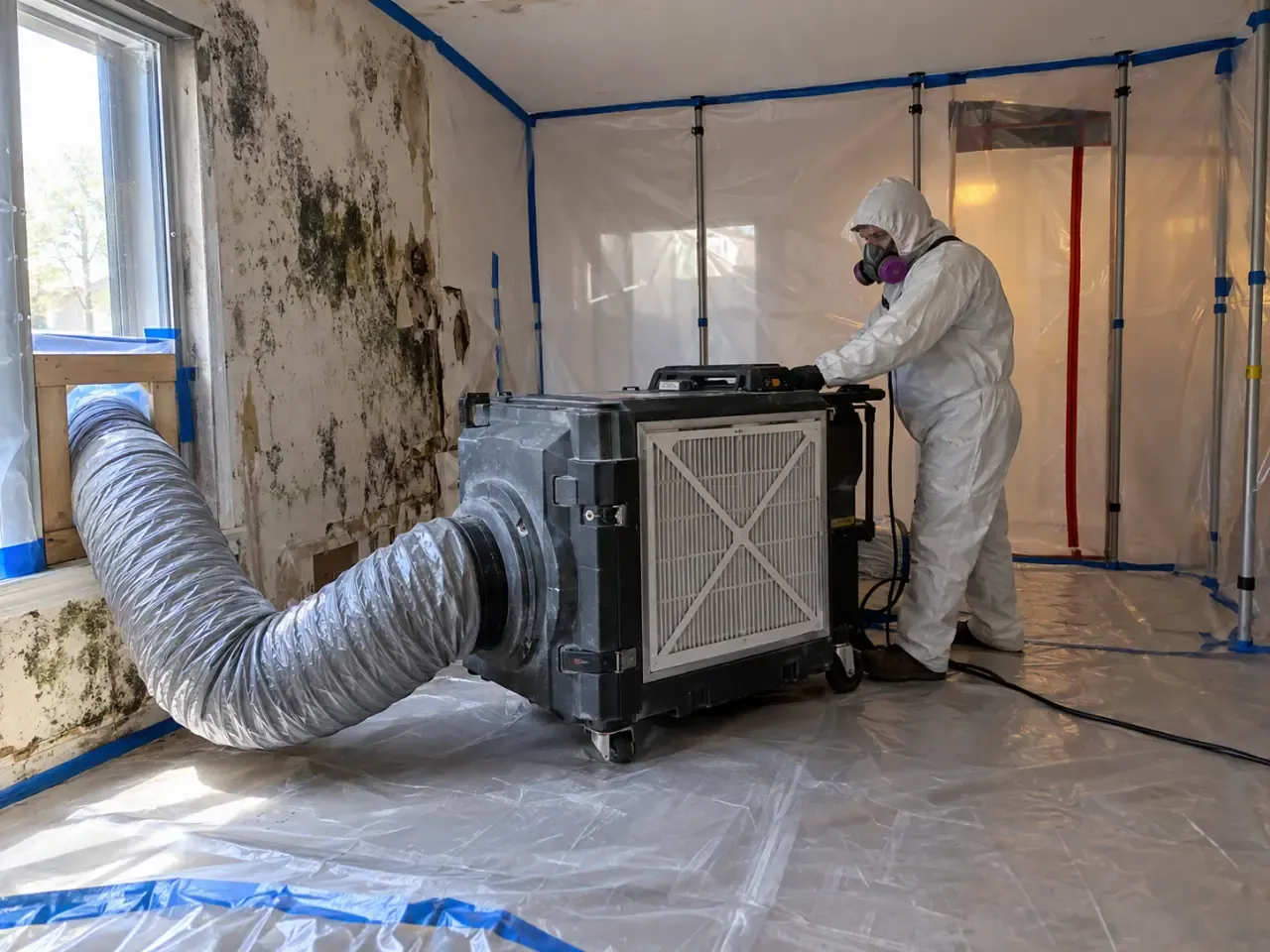
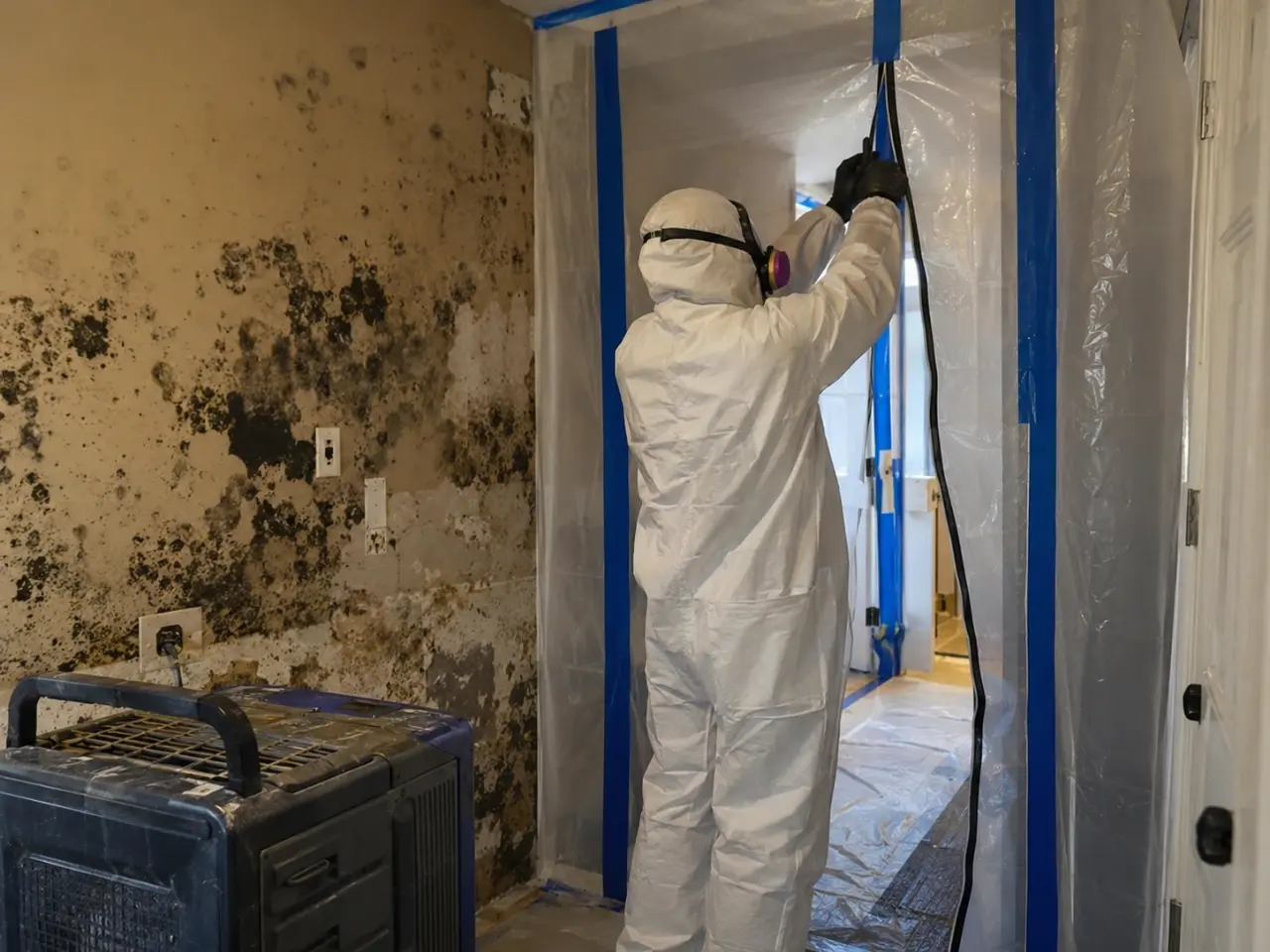
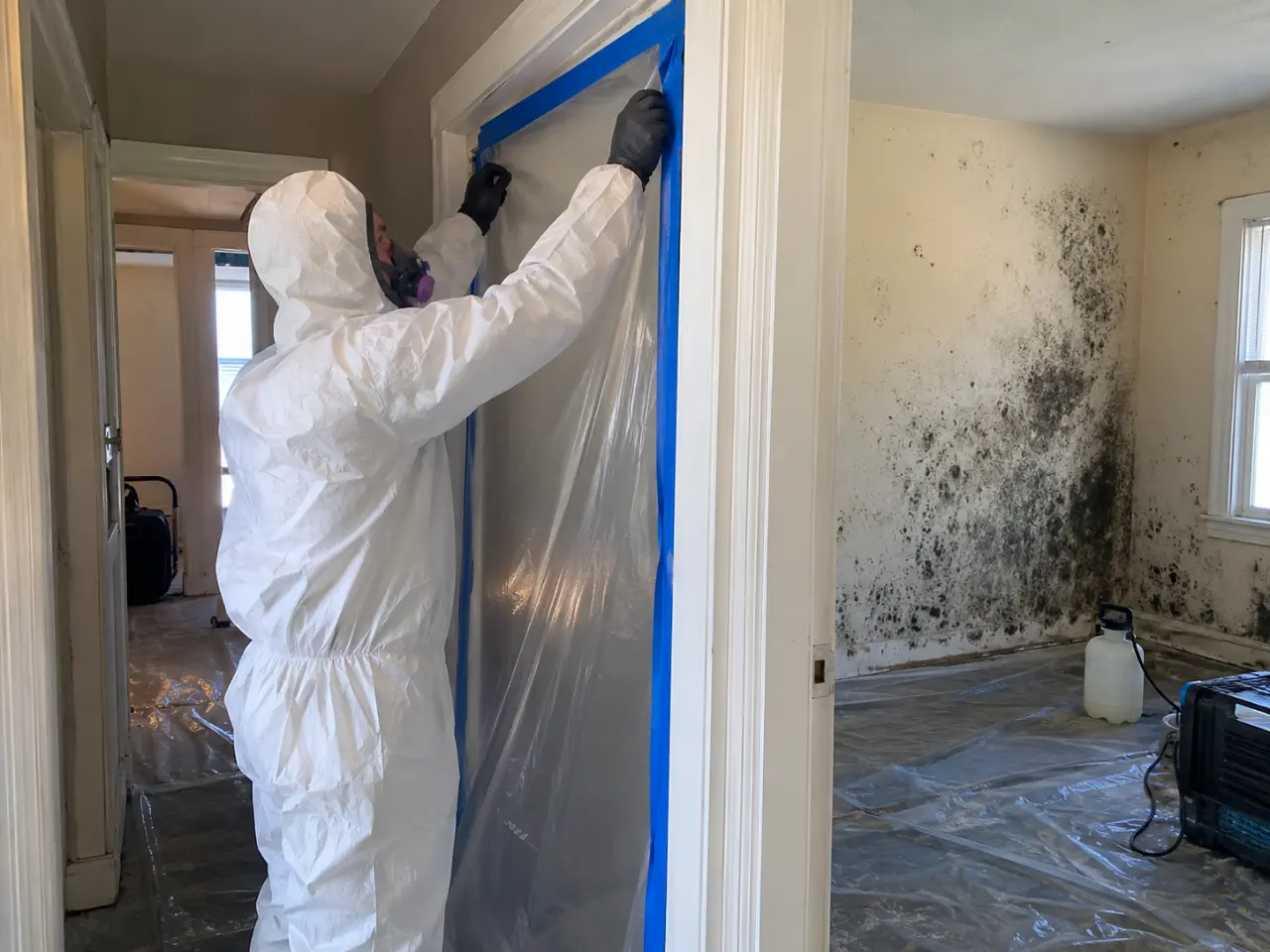
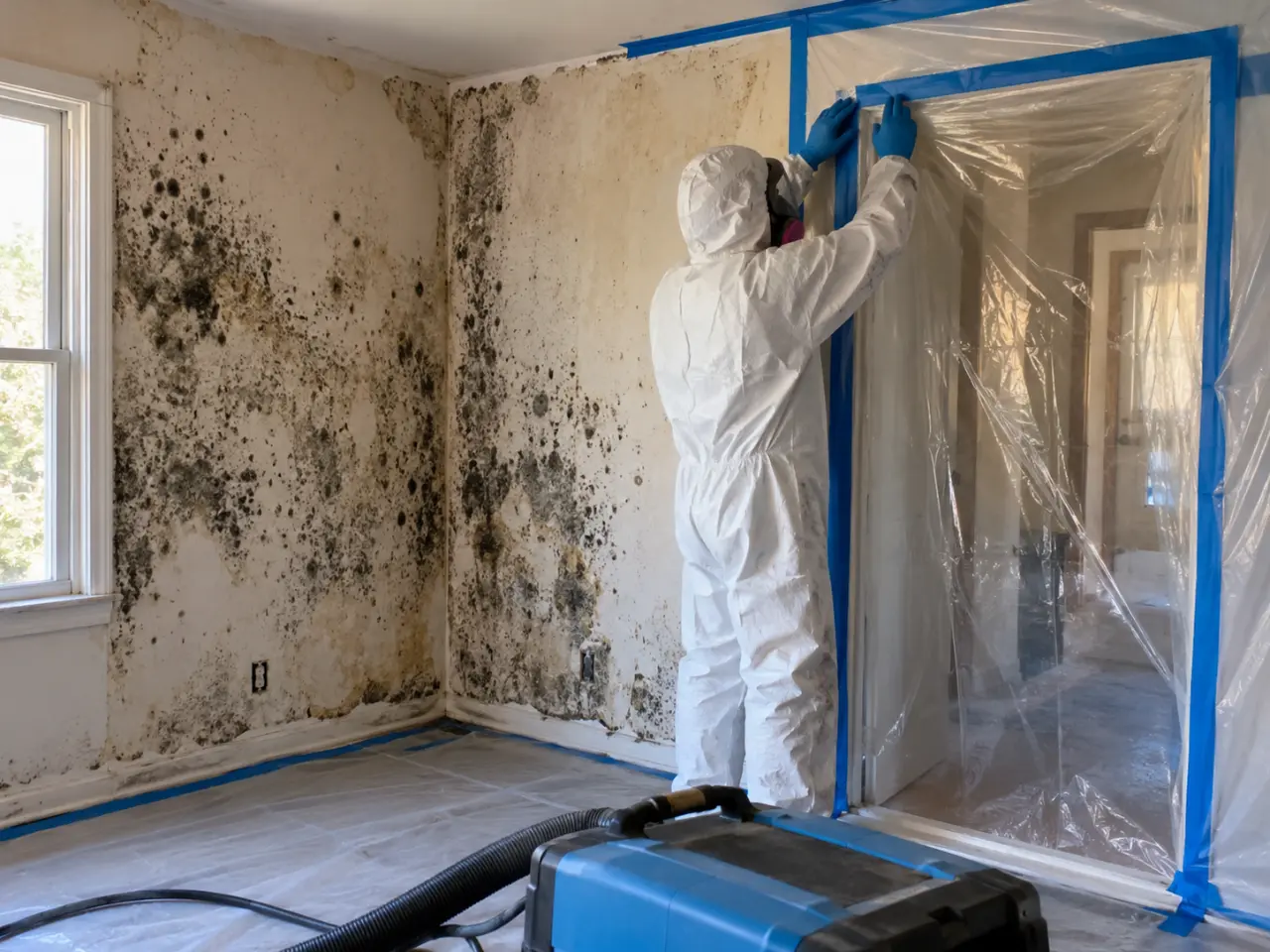
We separate the work area with containment sheeting and zipper doors, then use HEPA filtration to manage airborne particles during removal. This is especially useful when a bedroom, nursery, or occupied hallway sits next to the damaged wall. The setup keeps the work focused instead of allowing debris and dust to travel through your home.
Moisture Source Addressed
Removing growth without stopping water intrusion invites a repeat problem. We check for plumbing leaks, roof and flashing leaks, condensation, and high indoor humidity, then coordinate the appropriate drying or repair step. Your cleanup plan is tied to the cause, not just the black marks you can see.
Materials Handled Correctly
Porous materials such as wet drywall, insulation, and carpet padding are assessed for removal rather than repeatedly coated. We use a HEPA vacuum on suitable surfaces and clean salvageable framing before drying. That distinction helps you avoid paying to preserve material that cannot be reliably cleaned.
Clear Work Sequence
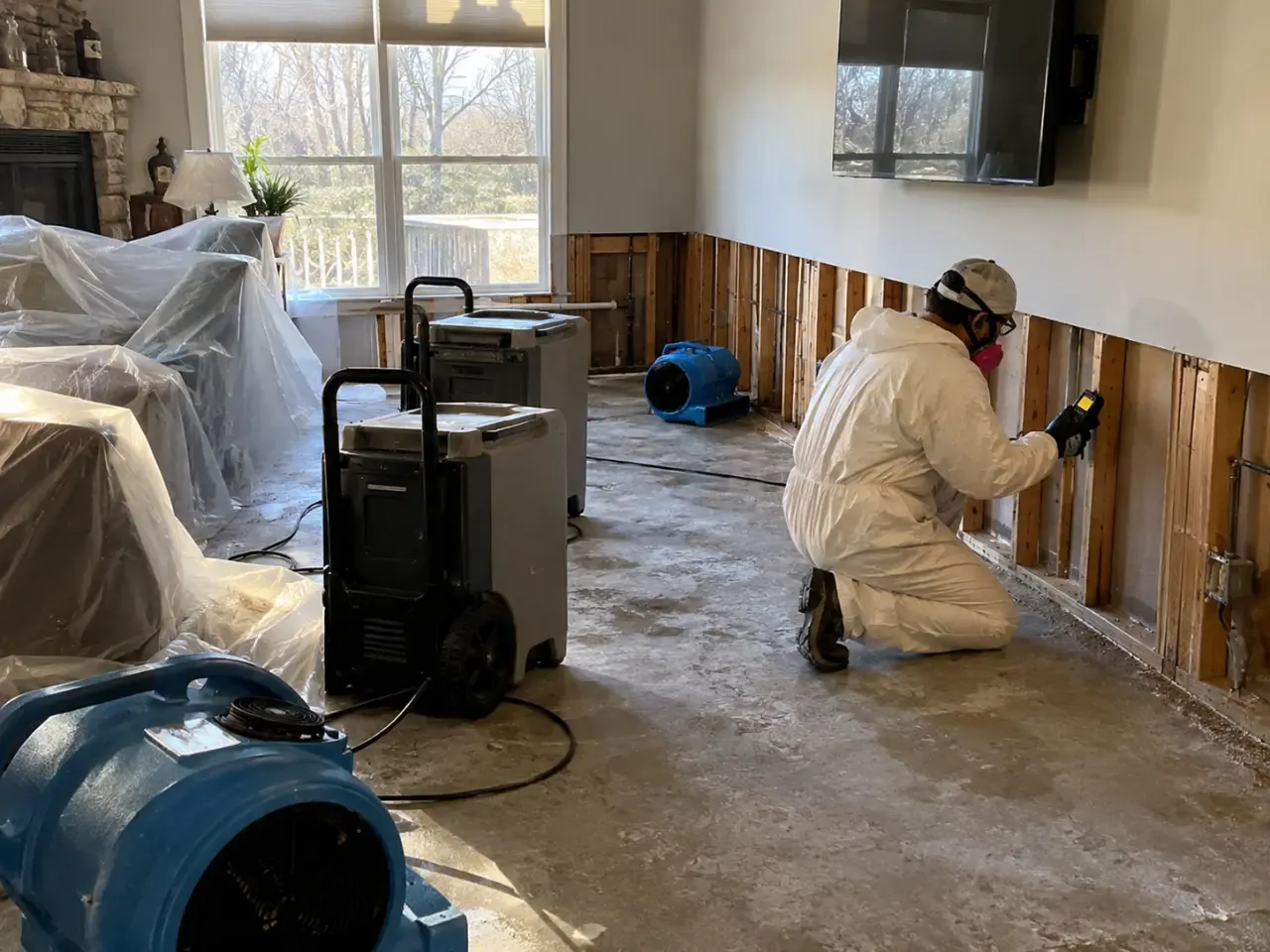
You get a practical sequence: inspect, contain, remove, clean, dry, and prepare for repairs. A commercial LGR dehumidifier and air mover can support structural drying after the source is corrected. We track progress with moisture readings so the next step is based on the structure, not guesswork.
How service works
What to Expect During Removal
Black Mold Removal in Summerville follows a controlled sequence so you know what happens in each phase. The size of the affected area and the amount of wet material determine the schedule; a small cabinet leak is different from a wall cavity that stayed damp for weeks. We explain access needs and protect nearby finishes before work begins.
STEP 01
Inspect and Trace
On the first visit, we document visible growth, ask when the leak or odor began, and inspect nearby materials for moisture. A typical initial inspection takes about 30 to 90 minutes, depending on access and room size. We use moisture readings and, where appropriate, a borescope inspection camera to look into a cavity without opening a large section of wall.
Tools and methods
Tools And Remediation Methods
FLIR Thermal Imaging Camera
A thermal image can reveal temperature differences that deserve closer moisture checks, but it does not prove mold is present. We use it to guide inspection rather than make a diagnosis from color patterns.
Pin-Type And Pinless Moisture Meter
These meters check moisture in accessible materials and help compare affected areas with drier reference points. Readings guide removal and drying decisions, including whether framing is ready for repairs.
HEPA Air Scrubber
The air scrubber filters airborne particles during controlled removal and cleaning. We size and place the unit for the work zone and keep containment in place while affected materials are disturbed.
Commercial LGR Dehumidifier
A commercial LGR dehumidifier removes moisture from air during structural drying. Paired with appropriately placed air movers, it supports drying of exposed framing and other affected materials after the water source is corrected.
Borescope Inspection Camera
A borescope can look into a limited wall or ceiling cavity through a small access point. It helps us assess hidden conditions while keeping inspection openings focused and purposeful.
ANSI/IICRC S520 Mold Remediation Standard
We use the ANSI/IICRC S520 Mold Remediation Standard to guide work planning, containment, removal, and cleaning. The method is adapted to the size and location of the affected area, the materials involved, and whether the building remains occupied. It keeps moisture correction and post-removal cleaning in the same plan.
EPA Mold Remediation Guidance
EPA Mold Remediation guidance informs practical decisions about limiting exposure, cleaning, and removing mold-affected materials. We apply the guidance to the actual size and condition of the area, not as a one-product solution. The source of moisture still has to be corrected.
Source Control And Structural Drying
We stop or coordinate correction of the water source before rebuilding, then dry exposed materials using equipment matched to the space. Moisture readings guide progress, and the cavity is not considered ready simply because its surface feels dry. That sequence helps prevent closing residual moisture behind new finishes.
Where this service fits
When to Call for Removal
A supply line leaks beneath your Summerville kitchen sink and dark growth appears on the cabinet base.
We check the plumbing area, cabinet, floor edge, and adjoining wall for moisture before removing materials. The work zone is isolated, affected porous material is taken out, and salvageable surfaces are cleaned. We then dry the area and explain what is ready for cabinet or drywall repair. You get a clear account of the leak's reach and a dry, cleaned work area ready for repairs instead of a concealed damp cabinet.
A bathroom ceiling develops black staining after a roof or flashing leak during a heavy rain.
We verify that water entry has stopped, inspect the ceiling cavity, and check insulation and framing. We remove wet, unsalvageable ceiling material under containment, clean exposed surfaces, and use drying equipment as readings require. Repairs wait until the cavity is dry. The affected ceiling is addressed from the cavity outward, reducing the chance that wet material is sealed behind a new finish.
A closed room smells musty after a storm, but no large patch of growth is visible.
We inspect baseboards, exterior-facing walls, and nearby flooring for signs of intrusion and moisture. If the source is hidden, we use targeted inspection rather than opening every wall. Any confirmed affected material is contained and cleaned or removed, with drying directed by readings. You learn whether the odor relates to active moisture, hidden damage, or another condition before committing to unnecessary demolition.
A crawl space stays damp through humid weather and a ground-floor room develops recurring odor.
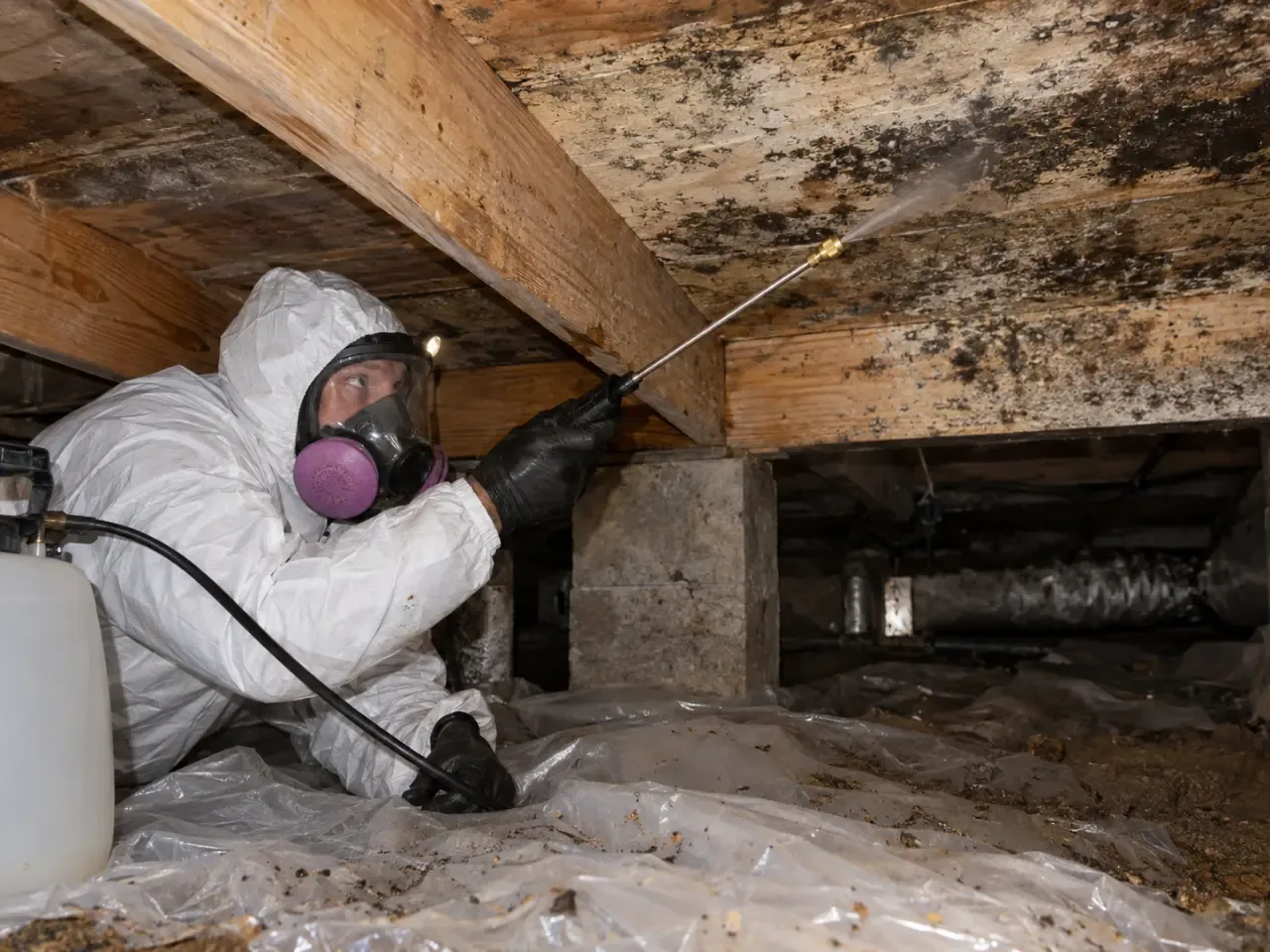
We assess accessible crawl space materials and the floor system for moisture and visible growth. The removal plan addresses affected surfaces and materials; moisture-control measures are discussed to reduce recurrence. We do not treat a vapor barrier as a substitute for removing contaminated material. You receive a defined cleanup plan and a separate path for correcting ongoing dampness beneath the home.
Local execution
Black Mold Removal In Summerville Homes
Black Mold Removal in Summerville has to account for humid air, seasonal downpours, and water that can enter through plumbing, roofs, or low-lying crawl spaces. In October, homeowners often start closing windows and running heating systems; condensation on windows and walls can reveal humidity or ventilation issues that need attention before cooler nights arrive. During spring and summer storms, roof and flashing leaks can wet ceiling cavities faster than a stain appears. Our black mold remediation in Summerville, South Carolina starts with the building materials and water history, not an assumption based on color. We check whether drywall, insulation, framing, or flooring stayed wet and set containment around the affected work. In newer subdivisions and established homes alike, cabinet leaks, HVAC condensate, and crawl space moisture can create separate patterns of damage. We follow applicable EPA and IICRC guidance, use moisture readings to guide drying, and explain when a repair or a moisture-control measure is needed before closing the wall.
Nexton
We assess kitchen and bathroom leaks in occupied homes with attention to adjoining drywall and cabinet bases, keeping the work zone contained so nearby living areas stay usable.
Cane Bay Plantation
After storm-driven roof or window intrusion, we check beyond the visible ceiling mark and measure affected materials before deciding how much finish must come down.
Sangaree
For recurring musty odors, we inspect plumbing areas, baseboards, and accessible crawl space conditions to find whether moisture is still feeding the problem.
Wescott Plantation
We plan removal around the actual wet materials and protect adjacent rooms, especially when a leak affects a shared wall, hallway, or bathroom ceiling.
Humid air and condensation during seasonal temperature changes
Condensation on cooler windows and wall surfaces can keep finishes damp, while high indoor humidity slows drying. We measure affected materials and distinguish surface condensation from a plumbing or roof leak before recommending removal.
Heavy rain entering through roof, flashing, or exterior openings
Water may travel along framing before showing through a ceiling. We trace the likely route, check insulation and adjoining materials, and sequence removal after the entry point is addressed so new rain does not undo cleanup.
Crawl space moisture beneath homes
Damp air and wet ground conditions can affect floor framing and contribute to persistent odors. We inspect accessible materials and keep remediation distinct from drainage or structural work, then identify moisture-control steps that support a drier space.
Problems we solve
Problems Black Mold Removal Solves
Black mold removal addresses the visible growth and the moisture conditions beneath it. In Summerville, a small plumbing leak or humid cavity can affect more material than the surface stain suggests. We investigate the source, remove what cannot be cleaned, and dry the structure so repairs have a sound starting point.
Dark growth returns on drywall after repeated surface cleaning
We check the wall for moisture and inspect the likely leak path before opening material. If the drywall is compromised, we remove it within a controlled work area, clean framing, and dry the cavity. You get a repair-ready surface instead of another temporary wipe-down. Recurring staining often means moisture remains behind the surface or the material is too damaged to clean. Covering it can hide continued deterioration.
A musty odor persists below a bathroom or kitchen cabinet
We inspect supply and drain connections, cabinet surfaces, and adjacent materials, then separate salvageable components from wet porous material. After removal and cleaning, we dry the area and confirm the moisture source is corrected before the cabinet or wall is closed. A slow plumbing leak can keep cabinet panels, flooring, and adjoining drywall damp, allowing damage to spread out of sight.
Black mold appears after a roof leak or storm water intrusion
We map the affected area, check moisture beyond the visible stain, and remove damaged ceiling or wall material under containment. Drying follows the leak repair. When you search for black mold on bathroom ceiling Summerville SC, the key is checking above the finish before repainting. Water can travel along framing and collect in ceilings or wall cavities, leaving wet insulation and stained finishes even after the roof is patched.
Crawl space dampness contributes to odor and floor moisture
We inspect accessible framing and moisture conditions, identify affected materials, and plan removal and drying appropriate to the space. Where needed, a crawl space vapor barrier is part of the moisture-control conversation after remediation. We distinguish the cleanup from any separate drainage or structural repair. Persistent crawl space moisture can affect framing and indoor conditions, while a wet floor system may conceal damage above the ground below.
A practical standard for every visit.
Clear planningPrepared arrivalsCareful workLocal follow-through
Experience in the details
Training Behind the Work
Summerville Mold Shield has served local property owners for 8 years, since 2018. Black mold work demands sound moisture control, careful removal, and respect for occupied buildings, not a quick surface spray. Our technicians follow the ANSI/IICRC S520 Mold Remediation Standard and EPA Mold Remediation guidance for work planning, containment, cleaning, and post-work decisions. We match the approach to the affected materials and the water source, then communicate what must happen before a room is repaired or returned to normal use.
- IICRC WRT training supports water-source investigation and practical drying decisions after plumbing leaks, roof intrusion, or storm water.
- IICRC AMRT training covers applied microbial remediation practices, including controlled work areas and cleaning procedures.
- IICRC ASD knowledge helps our team track structural drying instead of relying on surface appearance alone.
- We follow OSHA worker safety standards while selecting protective equipment and handling debris from affected spaces.
- Our inspection approach distinguishes visible staining from moisture inside cavities, insulation, and adjoining materials.
Where we work
One local team. A lot of ground covered.
NextonCane Bay PlantationSangareeWescott PlantationWhite GablesLegend Oaks PlantationLakes of SummervilleAshborough
Check my address Black mold can create indoor air quality concerns, so avoid disturbing a large or wet affected area and arrange an inspection. The color alone cannot identify a mold species or determine health risk. We look for the moisture source, affected materials, and extent of growth, then recommend containment and removal where appropriate. If anyone has symptoms or a medical concern, contact a healthcare professional while we address the building conditions.
Small, accessible cleanup jobs often fall around $500-$1,500, while larger contained removals can range from $1,500 to $6,000 or more in 2026. The black mold removal cost in Summerville SC depends on area size, material disposal, access, testing, drying time, and reconstruction. We identify the work required and give upfront pricing before the job proceeds. A hidden leak or contaminated insulation can increase the scope.
Mold exposure can trigger irritation or worsen symptoms for some people, but individual reactions differ and a visual inspection cannot diagnose illness. If you notice persistent musty odors or visible growth, limit disturbance and have the affected area assessed. We contain and remove impacted materials, correct moisture conditions, and use HEPA filtration during cleanup. For symptoms, ask a qualified healthcare provider for medical guidance.
Bleach is not a reliable fix for mold embedded in porous drywall, because it does not remove the damaged material or correct the moisture source. Scrubbing can spread debris, and wetting the wall can add moisture. We assess whether drywall is salvageable; saturated or extensively affected sections are usually removed under containment. After the leak is corrected, the cavity is cleaned and dried before replacement.
Keep exploring
Services That Support Removal
Your next step is waiting
Get Black Mold Removal Moving
Black Mold Removal Summerville SC starts with finding where the moisture entered and how far it reached. Call Summerville Mold Shield at (843) 892-8834 to describe the affected room and arrange the next step. Our team follows IICRC remediation practices.
Start with the basics
Contact Our Summerville Team
Call Summerville Mold Shield at (843) 892-8834 to discuss visible mold, a leak, or a damp crawl space. We take calls for urgent moisture problems and arrange service during our business hours, Monday through Friday, 8 a.m. to 6 p.m. Tell us what happened and which rooms are affected so we can help you plan the next step.