How Summerville Homeowners Can Prevent Mold After Tropical Storms
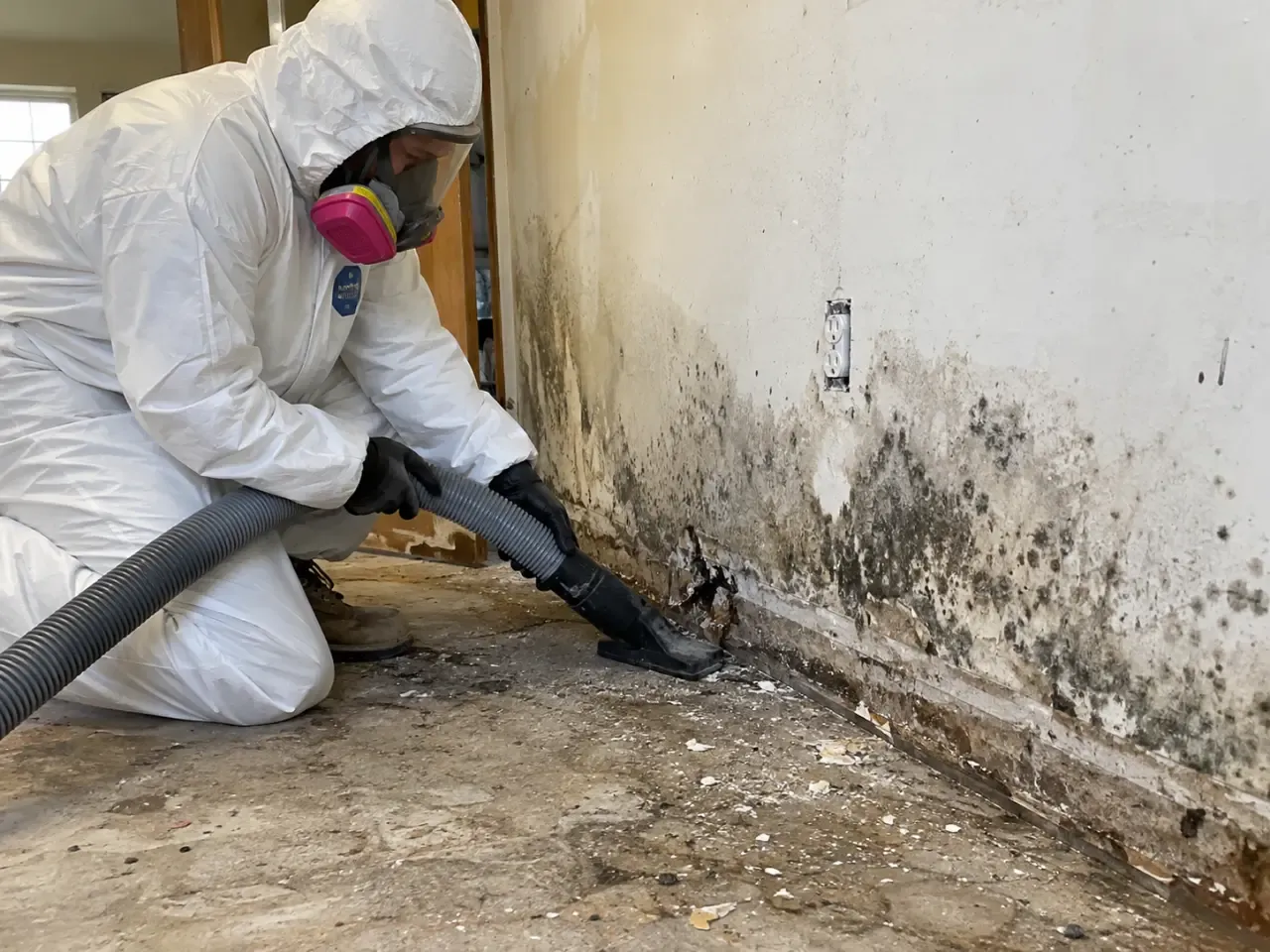
To prevent mold after a tropical storm in Summerville, remove standing water, dry wet materials within 24-48 hours, and keep indoor relative humidity below 60%-ideally between 30% and 50%. Start as soon as it is safe to enter; warm, damp air and wet drywall can turn a small leak into a larger cleanup quickly. This guide explains what to do first, how to dry rooms and hidden cavities, and when to bring in a remediation team. For a Summerville home, the job is not finished when the carpet feels dry: moisture can remain behind baseboards, under flooring, and in crawl spaces.
How to prevent mold after a tropical storm in Summerville is a practical moisture-control plan that removes water, dries building materials, and keeps humidity low before mold establishes itself. Our team helps homeowners find the damp areas that a fan or a quick visual check can miss.
What should Summerville homeowners do first after storm water gets inside?
Summerville homeowners should protect people from electrical and flood hazards, stop the water source if safe, then begin water removal and drying as soon as conditions allow. Do not enter a room with standing water if outlets, appliances, or a breaker panel may be submerged.
Photograph damage before moving items, and keep a simple record of when water entered and which rooms were affected. If floodwater came from outside, treat it as contaminated; it can carry sewage, fuel, and debris, so avoid handling soaked porous materials without appropriate protection.
Once the area is safe, act in this order:
- Turn off electricity to wet areas from a dry, safe location; contact an electrician if you are unsure.
- Stop a roof, plumbing, or window leak where it is safe to do so, and move dry belongings out of the affected space.
- Extract standing water with suitable equipment, then remove wet rugs and contents that block airflow.
- Run a dehumidifier and fans only after electrical hazards are cleared; aim airflow across wet surfaces, not into a suspected mold colony.
Our mold remediation in Summerville, SC work starts with identifying where moisture traveled, not just where water pooled. That distinction matters after wind-driven rain, when a ceiling stain may sit several feet from the roof entry point.
How to dry your home before mold takes hold
Drying a Summerville home after storm water means removing bulk water first, then lowering moisture in air and materials until readings show the structure is dry. A box fan can move air, but it cannot pull moisture out of a wall cavity or soaked subfloor by itself.
Use a wet vacuum or extraction service for pooled water, then remove saturated insulation and other materials that cannot be dried in place. Open cabinets and closet doors, lift furniture off damp flooring, and separate wet items so air can reach both sides.
For dehumidifier use after a tropical storm in Summerville, South Carolina, place a properly sized unit in the wettest enclosed area and keep exterior doors and windows closed while it runs. Empty the reservoir or use a drain hose, and check the built-in humidity display against a separate hygrometer if available. Maintain 30%-50% relative humidity when practical, and keep it below 60%.
Drying often takes several days, but the clock alone does not prove that framing is ready. A moisture meter can compare wet areas with unaffected material; take readings at the floor, lower wall, and any ceiling or wall section exposed to water. If you need equipment and material drying beyond household fans, water damage drying Summerville SC addresses moisture in building components as well as room air.
Do not seal or repaint a damp surface to hide a stain. Dry the assembly first, then repair it. For extensive water damage, our home mold removal Summerville SC approach includes containing the affected area and removing contaminated material when cleaning alone will not restore it.
Why humidity stays high after storms in South Carolina
Humidity and mold after storms in South Carolina are linked because saturated outdoor air, wet soil, and damp building materials can keep indoor moisture elevated even after rain stops. Summerville's humid Lowcountry climate makes ventilation decisions important: opening windows during a muggy afternoon can bring more moisture in than it removes.
Use an indoor hygrometer rather than guessing from how the room feels. A reading above 60% for a sustained period signals that you need more dehumidification or a source check. If you see condensation on windows, a musty odor, or dampness returning after drying, check the crawl space, attic, HVAC drain pan, and exterior wall penetrations.
Neighborhoods such as Nexton have a mix of newer homes and landscaped lots where runoff patterns and construction details can shape how storm water reaches a foundation. Our work with Mold Remediation in Nexton reflects the same local rule: check the whole moisture path, including gutters, downspouts, grading, and crawl-space conditions, rather than treating only the visible patch.
For prevention, clear gutters after debris-heavy weather, extend downspouts so they discharge away from the foundation, and check that soil slopes away from the house. Keep HVAC condensate lines clear and replace filters on the schedule shown by the system manufacturer; a clogged drain can add moisture just when the home is already damp.
Common mistakes that leave moisture behind
Common storm cleanup mistakes in Summerville include waiting for visible mold, relying on fragrance to cover musty odors, and drying only the surface of wet materials. Mold can grow out of sight, so a clean-looking wall does not prove the cavity behind it is dry.
Avoid these shortcuts:
- Waiting several days to start. Begin extraction and drying as soon as the home is safe; mold can begin growing within 24-48 hours under favorable conditions.
- Using heat without moisture removal. A heater can raise evaporation, but without dehumidification the water stays in the room air and may settle elsewhere.
- Blowing air directly at visible mold. This can spread spores and debris. Keep people away and arrange controlled cleanup for a larger or recurring area.
- Keeping wet porous items indoors. Damp carpet, cardboard, insulation, and upholstered furniture can hold water long after nearby flooring feels dry.
Do not mix bleach with ammonia or other cleaners, and do not apply a coating over mold as a substitute for removing it. If stormwater crossed a room, cleaning requirements depend on the water source and the materials affected; safe handling matters as much as speed.
How long does it take mold to grow after a flood?
Mold can begin growing within 24-48 hours after flooding when materials stay wet, although visible growth may take longer to appear. The exact timing depends on temperature, the material, available moisture, and how quickly drying begins.
That window is why storm water mold cleanup in Summerville should start promptly, even if the room looks mostly intact. Check behind baseboards and under flooring where water can remain trapped, and do not rely on a single dry-feeling spot as proof that the whole area is ready.
When to call a professional in Summerville
Summerville homeowners should call a mold or water-damage professional when flooding affects a large area, water enters wall or ceiling cavities, contaminated water is involved, or musty odor persists after drying. A professional assessment is also sensible when moisture readings stay high or mold returns after surface cleaning.
For a small, clean-water spill on a hard surface, prompt household drying may be enough. But if carpet padding, insulation, multiple rooms, or a crawl space is wet, hidden moisture can make the job much larger than the stain suggests. Our team can inspect affected materials, identify the water path, and explain the cleanup steps and pricing before work begins.
For homeowners looking for a mold inspection after storm damage near me in Summerville, the useful question is not only whether mold is visible; it is whether the structure has returned to a dry condition. Summerville Mold Shield can help you determine what needs drying, what can be cleaned, and what should be removed after a storm.
Frequently Asked Questions
Can mold grow after a tropical storm if my house never flooded?
Yes. Wind-driven rain, roof leaks, window seepage, wet crawl spaces, and indoor humidity above 60% can support mold without a flooded room. Check ceilings, exterior walls, closets, and the crawl space after the storm. If a musty smell or damp area persists, find the moisture source rather than covering the stain.
What should Summerville homeowners do first after storm water gets inside?
First, stay out of standing water if electrical equipment may be submerged; then shut off power to the affected area safely and document the damage. Once entry is safe, stop the leak, extract water, and begin drying. Treat outside floodwater as contaminated and avoid handling soaked porous materials without protection.
Does homeowners insurance cover mold after a hurricane in South Carolina?
Coverage depends on your policy, the cause of the moisture, and any exclusions or limits; there is no single statewide answer. Sudden covered water damage may receive different treatment from long-term seepage or deferred maintenance. Photograph damage, keep receipts, and contact your insurer promptly to confirm your policy's requirements.
How soon should I use a dehumidifier after a tropical storm?
Start dehumidification as soon as the area is safe and standing water has been removed. Run the unit with windows and exterior doors closed, and monitor humidity with a hygrometer. Aim for 30%-50% relative humidity and keep the home below 60% while wet materials dry.
What does emergency mold removal after storm flooding in Summerville SC involve?
Emergency cleanup generally starts with a safety check, water extraction, moisture mapping, and containment where needed. The team then dries salvageable materials and removes items that cannot be safely restored. The exact work depends on water quality, affected area, and how far moisture traveled behind finishes.
Get help with Mold Remediation in Summerville
If storm water has reached your walls, floors, or crawl space, contact Summerville Mold Shield to find the moisture and plan the right cleanup. Call (843) 892-8834 for help with mold remediation in Summerville.